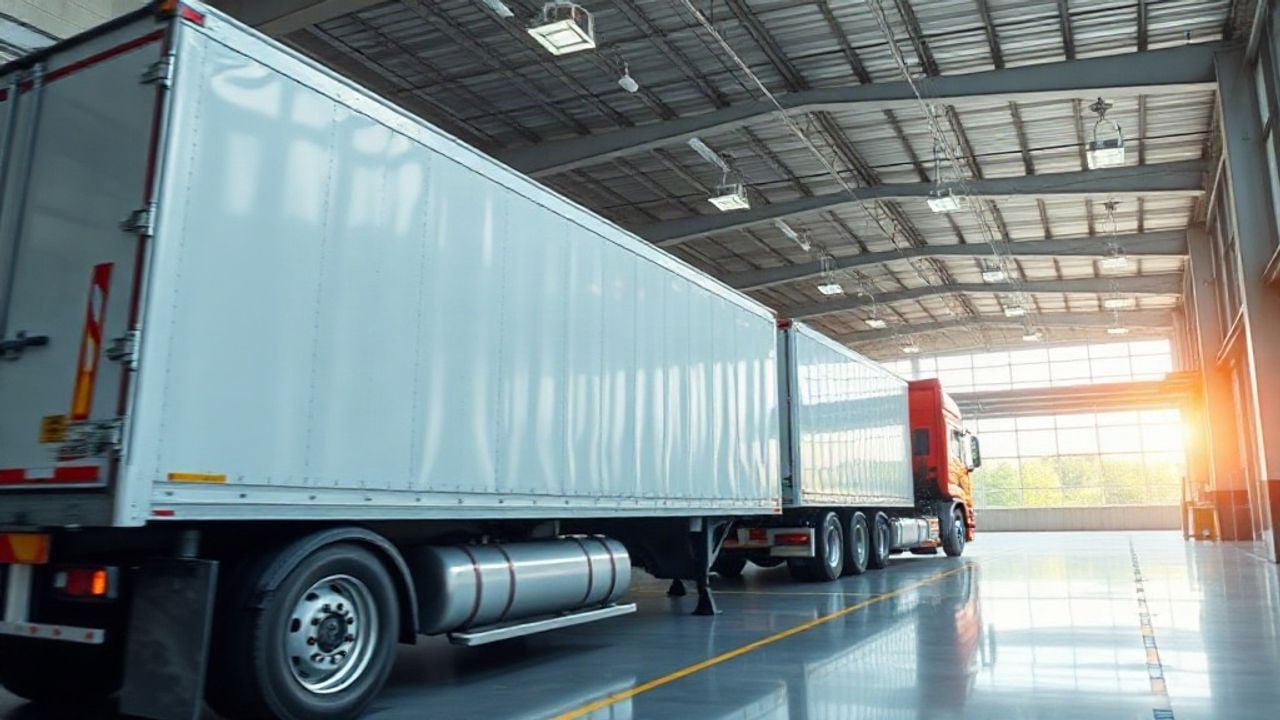
 Illinois top Commodities TransportationIllinois top Commodities Transportation guide
The transportation of goods copyrights greatly on trucking, which is essential for facilitating trade across extensive regions in the United States. In Illinois, trucking services are crucial for moving a diverse array of commodities, enabling businesses to function seamlessly and effectively. The industry offers various services, ranging from freight brokerage to specialized hauling solutions, including dump trucks and flatbed trailers, making trucking a vibrant and adaptable sector that meets numerous demands at read more.
For those managing expansive fleets or hiring owner operators, grasping the nuances of the trucking industry is key to making well-informed choices. Factors like service trucking, transportation offerings, and the selection of suitable trailers play a pivotal role in operational efficiency. Hence, having a thorough understanding of these elements is vital for anyone engaged in shipping and logistics.
Grasping the Fundamentals of Trucking
Fundamentally, trucking constitutes the movement of goods via trucks. This domain includes numerous types of vehicles, from dump trucks to conestoga trailers to tanker trucks, each specifically crafted for distinct hauling needs. The effective transport of items such as agricultural products, construction supplies, and consumer goods copyrights on selecting the correct truck to fulfill the task. Additionally, the trucking industry is subject to stringent regulations that ensure all operators adhere to safety measures and freight demands.
Within Illinois, the variety of trucking solutions available, including flatbed trailers and dumpster trailers, allows enterprises to manage both bulk and specialized deliveries seamlessly. In addition, freight brokerage services function as intermediaries, linking shippers with trustworthy carriers, which enhances logistical efficiency overall. For a more thorough exploration of various trucking services, engaging discussions on this matter can expand your understanding of the field.
The Value of Local Insight in Trucking
Selecting a trucking service with local expertise can be immensely beneficial. Many trucking companies throughout Illinois possess extensive understanding of local routes, traffic patterns, and regulations, which can streamline logistics considerably. Local trucking firms often cultivate relationships with shippers and manufacturers, allowing them to present personalized solutions that larger, national entities may not be equipped to offer.
Furthermore, local operators frequently exhibit greater flexibility in responding to fluctuations in shipping demands or sudden complications. For example, in the event of sudden environmental shifts like harsh weather, a local trucking service can adapt its course efficiently, curtailing delays. This quick adaptability may confer a notable competitive edge, particularly in sectors where timing is of the essence.
Various Trucking Service Options
A wide array of trucking services addresses the distinct demands of companies in different fields. Below are some notable types:
- Dump Truck Services: Primarily employed in the transportation of construction materials, dump trucks are built to facilitate quick unloading, making them suitable for operations requiring rapid offloading.
- Flatbed Trucking: These trailers are vital for carrying oversized or irregular cargo that standard enclosed vehicles cannot transport.
- Tanker Trucking: This service is focused on the transport of liquids, such as chemicals or petroleum products, necessitating specialized vehicles that comply with safety regulations.
- Freight Brokerage: As facilitators, freight brokers connect shippers with trucking companies, providing customers with competitive rates and timely delivery solutions.
- Owner Operators: Truck drivers who own their trucks often choose to work directly with clients, delivering higher levels of flexibility and personalized service.
Key Factors to Consider When Choosing a Trucking Provider
Choosing a trucking provider isn’t solely about comparing quotes; it involves evaluating several key factors that can affect your business operations. Firstly, the provider’s industry experience and reputation are paramount. A company with a solid track record is likely to provide the reliability and professionalism required for your shipping needs.
Secondly, ensure that the trucking service offers the type of trailers specific to your requirements, whether it’s for hauling, dumping, or transporting liquids. Investigating additional services, such as fleet services or logistics support, can provide further assurance that the provider can handle your needs efficiently.
Finally, proper insurance coverage and compliance with federal and state regulations are non-negotiable factors. Confirm that the provider is licensed and insured, as this protects both your cargo and your interests. Achieving a balance between cost and quality service is crucial in making the right choice.
Trucking industry in the United States.Steps for Successful Trucking Logistics
- Evaluate Your Shipping Needs: Understand the volume, type, and frequency of the goods you need to transport. Assess whether you require specialized trailers.
- Research Trucking Providers: Look for reputable trucking companies in your area, paying attention to reviews, safety records, and service offerings.
- Request Quotes: Collect price estimates from multiple providers, ensuring they provide similar service scopes to make accurate comparisons.
- Verify Compliance: Check that the trucking service holds the necessary licenses, insurance, and meets all safety regulations for transporting goods.
- Plan Your Logistics: Collaborate with your chosen provider to create a delivery schedule that accommodates both business operations and customer expectations.
- Monitor and Adjust: After initiating a delivery, keep track of the shipment's status and remain in contact with the provider for any necessary adjustments.
Essential Tips for Trucking Efficiency
By implementing strategic practices, businesses can enhance their trucking logistics and ensure reliable deliveries.
- Maintain clear communication with your trucking provider to facilitate smooth operations.
- Invest in tracking technology to monitor shipments and improve transparency.
- Regularly review trucking contracts to ensure they align with changing business needs.
- Assess fuel efficiency and vehicle maintenance strategies to reduce operational costs.
- Stay informed about regulatory changes that could impact trucking operations.
Frequently asked questions
What is Trucking?
Trucking refers to the transportation of goods by road using trucks. It involves various types of vehicles and services catering to the needs of different industrial sectors.
How do I choose a Trucking provider?
Choosing a trucking provider requires evaluating their experience, type of services offered, reputation, insurance compliance, and costs to find the best fit for your shipping needs.
How much does Trucking cost?
The cost of trucking varies depending on distance, type of goods, and the chosen provider. Factors such as fuel prices and vehicle maintenance may also influence overall costs.
In summary, mastering the trucking industry is essential for any business involved in logistics and shipping. By understanding different services, evaluating providers, and implementing effective strategies, companies can optimize their operations. The ability to adapt and respond to the ever-changing demands of the market will enhance efficiency and customer satisfaction.
The opportunity for growth and improved logistics efficiency awaits those who engage with the complexities of trucking services. Making informed choices based on solid research can pave the way for success in the transportation sector.